
How AI is Revolutionizing Intellectual Property Law
The Impact of AI on Intellectual Property Law
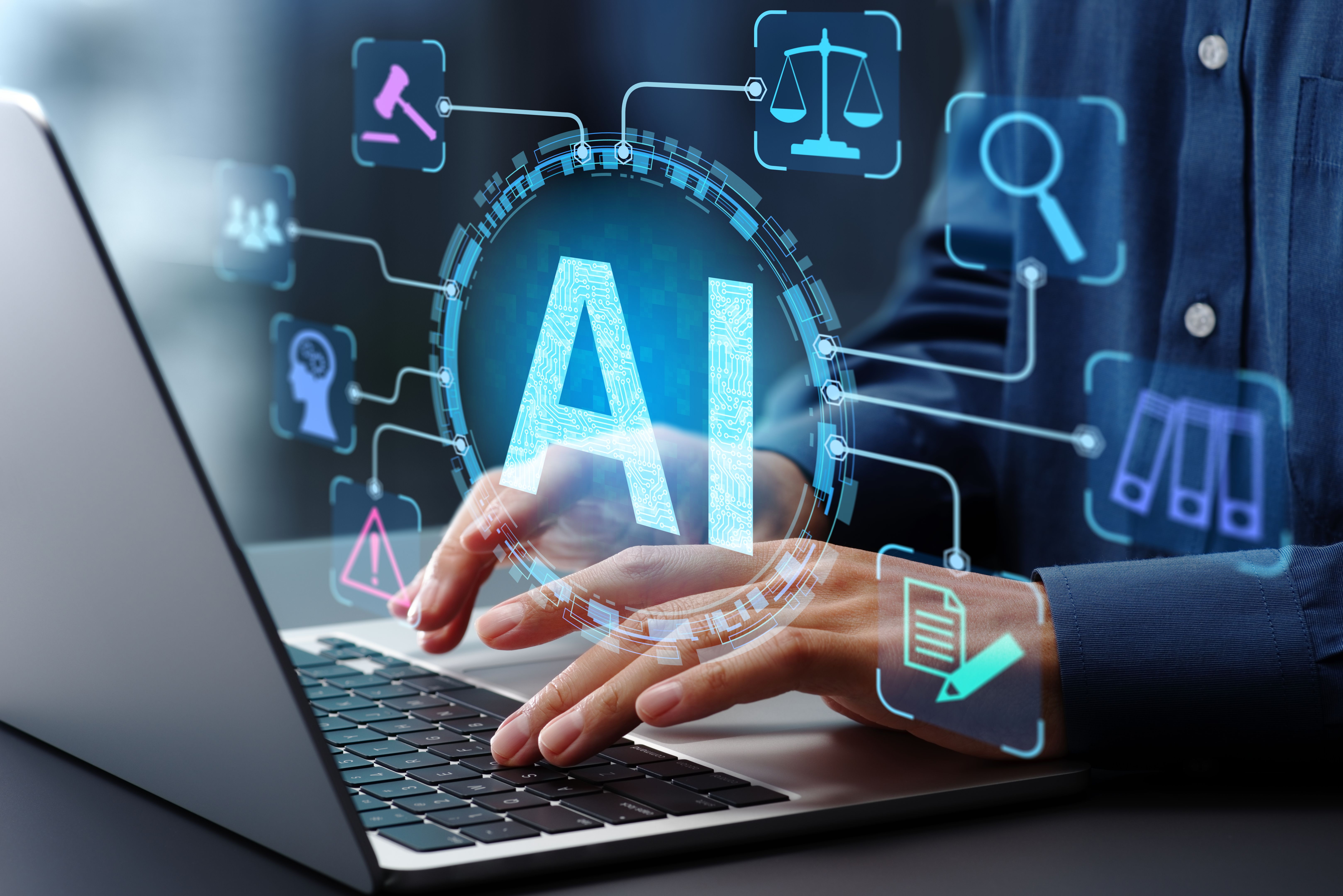
Artificial Intelligence (AI) is rapidly transforming various industries, and intellectual property (IP) law is no exception. As AI technology advances, it presents both challenges and opportunities for IP professionals. Understanding these changes is crucial for navigating the evolving legal landscape.

AI-Driven Innovations in Intellectual Property
One of the most significant impacts of AI on IP law is the creation of AI-driven innovations. These technologies can generate new inventions, artworks, and designs. As a result, there is an increasing need to determine the ownership and protection of AI-generated creations. Traditional IP laws may not adequately address these scenarios, leading to calls for legal reform.
AI can also streamline the patent application process. By using machine learning algorithms, AI can analyze vast amounts of data to identify patentable inventions, reducing the time and cost involved in filing applications. This efficiency benefits both inventors and legal professionals.
Challenges in Protecting AI-Generated Works
The question of who owns the rights to AI-generated works is a complex issue. Traditionally, IP rights are granted to human creators. However, with AI increasingly involved in the creative process, determining authorship becomes more complicated. This raises questions about whether AI itself can be considered an inventor or author.

Furthermore, the challenge extends to enforcing IP rights for AI-generated works. Current laws may not fully protect these creations, leading to potential disputes over ownership and rights. Legal systems worldwide are exploring how to adapt existing frameworks to address these challenges.
AI in IP Enforcement and Management
AI is not only transforming the creation of intellectual property but also its enforcement and management. Advanced AI tools can assist in monitoring and identifying potential IP infringements more efficiently than traditional methods. By analyzing large datasets and tracking online content, AI can help detect unauthorized use of protected works.
Moreover, AI-powered platforms can help companies manage their IP portfolios more effectively. By providing insights into market trends and competitor activities, AI enables businesses to make informed decisions about licensing, litigation, and strategic IP management.
Future Prospects and Legal Reforms
The integration of AI into IP law signifies a need for legal reforms. Policymakers and legal professionals are exploring ways to update IP laws to accommodate the unique challenges posed by AI. This includes considering the rights and responsibilities of AI creators and users, as well as redefining the concept of authorship.
As AI continues to evolve, its impact on intellectual property law will grow. Embracing these changes and adapting legal frameworks will be essential for ensuring that IP law remains relevant and effective in the digital age.