
Understanding International Trademark Protection: What You Need to Know
In our interconnected global economy, businesses must consider how to protect their intellectual property on an international scale. Trademark protection is a critical component of this strategy, as it safeguards a brand's identity and reputation across borders.
What is an International Trademark?
An international trademark is a mark that is protected in multiple countries, providing comprehensive coverage for businesses intending to operate globally. Instead of registering a trademark in each country individually, businesses can use systems like the Madrid Protocol to streamline this process.
The Madrid Protocol
The Madrid Protocol is an agreement among over 100 countries that allows for a centralized trademark registration process. By filing a single application, businesses can seek protection in multiple member countries, simplifying the administrative burden and reducing costs.
Why is International Trademark Protection Important?
International trademark protection offers numerous advantages. First, it helps prevent unauthorized use of your brand in foreign markets, preserving your brand's integrity. Second, it provides legal recourse if infringement occurs, enabling businesses to take action swiftly.

Market Expansion
For companies looking to expand internationally, trademark protection is a crucial step in entering new markets. It ensures that your brand's identity is secure, allowing you to focus on growth and customer engagement abroad.
Steps to Register an International Trademark
Registering an international trademark involves several steps:
- Determine the countries where protection is needed.
- Ensure your trademark is registered or applied for in your home country.
- File an international application through the World Intellectual Property Organization (WIPO).
- Select the member countries where you seek protection.
Considerations for Businesses
When applying for international trademark protection, businesses should consider the following:
- Cost: While the Madrid Protocol reduces costs, fees vary by country.
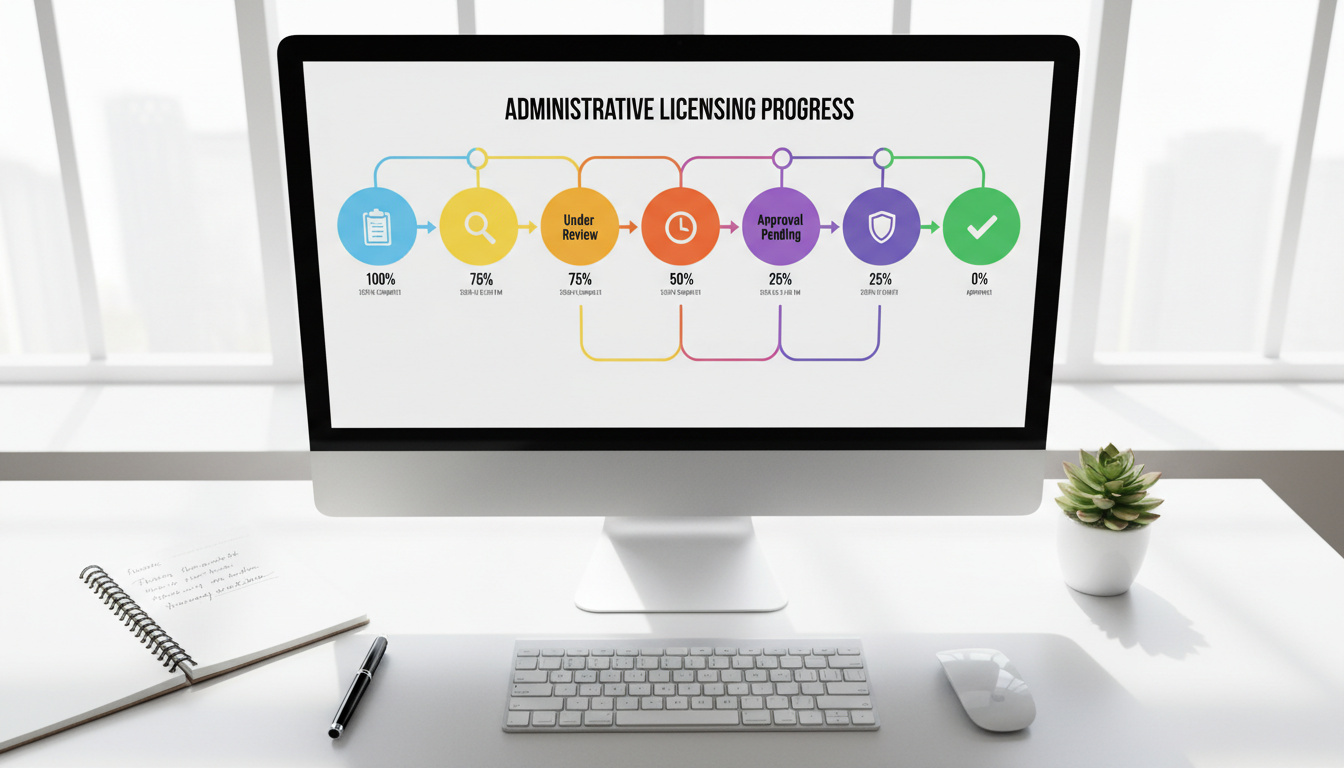
- Time: The process can take several months to complete, so plan accordingly.
- Legal Requirements: Different countries have varying laws and regulations regarding trademarks.
Challenges in International Trademark Protection
Despite its benefits, international trademark protection can present challenges. Language barriers, differing legal systems, and cultural nuances can complicate the process. It's essential to work with experienced legal professionals to navigate these complexities.

Understanding international trademark protection is vital for any business looking to maintain its competitive edge globally. By securing your brand's identity across borders, you ensure its longevity and success in international markets.